
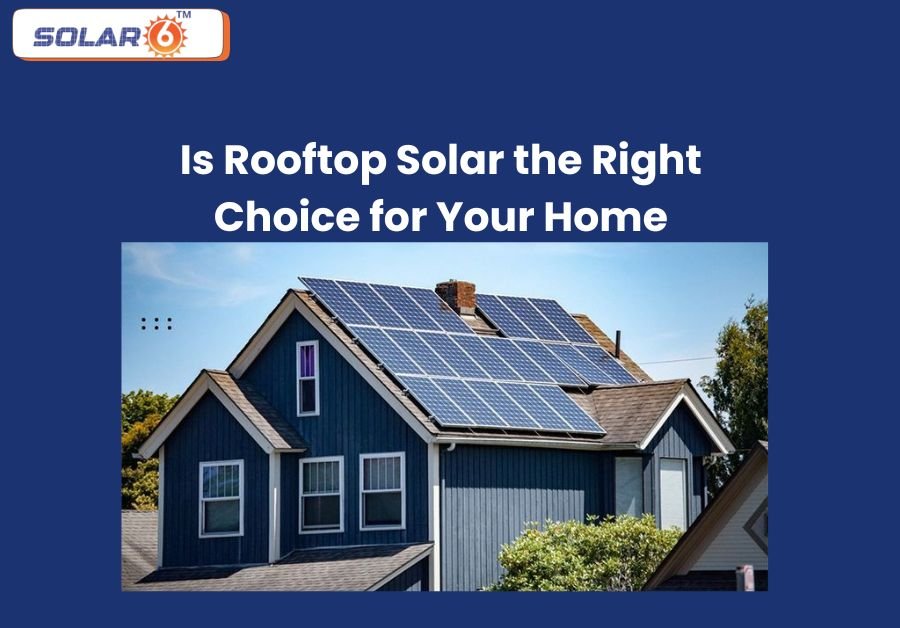
Homeowners today are facing rising electricity bills, frequent power outages, and growing concerns about climate change. In this situation, rooftop solar panels have emerged as one of the most practical solutions for achieving both cost savings and sustainable living. The shift to solar electricity isn’t always just an economic choice, but additionally an environmental one. Yet, the most vital question remains: Is rooftop sun the right choice for you? In this Article, Solar6 explains the entirety you need to realize about solar panel installation, the costs involved, long-term benefits, and challenges, helping you make a knowledgeable decision for your private home.
Why Homeowners Are Choosing Rooftop Solar
The popularity of rooftop solar is increasing unexpectedly due to several factors. The first and maximum apparent motive is the constant rise in electricity tariffs. Households that once paid modest monthly payments are now experiencing sharp spikes in their energy expenses. By generating your own solar power, you benefit from more control over those expenses and protect yourself from unpredictable tariff hikes. Another essential reason is electricity independence. For many years, owners have relied entirely on grid power, but grid dependency comes with challenges, including energy cuts and fluctuating supply. With rooftop solar panels, you may generate energy properly at home and, with a battery garage, revel in uninterrupted energy even during outages.
The third reason is the growing recognition of climate change and the pressing need to switch to renewable electricity. Solar power is easy and produces no harmful emissions, making it one of the best choices for eco-conscious owners. Governments across the world are also assisting this shift by presenting subsidies, rebates, and tax benefits, which lower the price of solar panels and lead them to an even lower cost for families.
How Rooftop Solar Works
Understanding how rooftop solar works allows house owners to see its real capability. Solar panels seize sunlight and convert it into direct current (DC). This power then passes via an inverter, which converts it into alternating current (AC)—the sort of power utilized in homes to power home equipment. If your device consists of a solar battery, any extra electricity is saved for use at night or during emergencies.
In many areas, there’s also a device referred to as internet metering, in which surplus energy is exported and returned to the grid. In return, homeowners get hold of credits that lessen destiny electricity payments. This simple but powerful method turns your rooftop right into a private electricity station that offers a regular flow of renewable energy throughout the 12 months.
Benefits of Rooftop Solar for Homeowners
The benefits of putting in rooftop solar panels are numerous, starting with widespread discounts in electricity bills. Once set up, solar panels generate unfastened energy for more than two years, permitting you to reduce down month-to-month charges by up to 70–80 percent, depending on your intake and system length. Beyond monetary financial savings, rooftop solar is a long-term investment. While the initial value may additionally feel high, the return on investment is undeniable. Most homeowners get better their charges inside five to seven years, and then all energy generated is truly free.
Another key benefit is environmental sustainability. By switching to solar electricity, you can lessen your dependence on fossil fuels and help combat air pollution and climate change. Additionally, rooftop solar can increase property value. Homes equipped with solar panel installations often promote quicker and at higher expenses because buyers see the long-term value benefits and recognize the sustainable functions. Maintenance is also exceedingly simple. Contrary to not unusual misconceptions, solar panels require very little upkeep past occasional cleansing and simple inspections to ensure peak performance.
Is Your Home Suitable for Rooftop Solar?
While rooftop solar offers fantastic advantages, not every home is suitable for a solar panel setup. The orientation of your roof subjects—south-facing roofs within the Northern Hemisphere acquire the maximum sunlight, making them perfect for solar electricity generation. Shade is every other crucial aspect. Trees, close-by homes, or any obstructions that block daylight will reduce the efficiency of your panels.
Roof energy additionally performs a position, as panels require a stable surface that can support their weight over decades. Finally, area availability is essential. The number of panels you could install depends on your strength, desire, and the scale of your rooftop. To determine suitability, maximum installers conduct a professional website assessment that facilitates a pleasant experience for your home.
Understanding the Cost of Rooftop Solar Panels
Many homeowners hesitate because of concerns about cost. The cost of solar panel installation depends on factors like system capacity, type of panels, inverter quality, and whether you add a battery storage system. While the initial investment may seem high, the good news is that prices of solar panels have been steadily falling over the past decade. Governments also provide subsidies and rebates, significantly lowering the net cost. Additionally, solar loans and easy EMI financing options make the transition smoother for families. Considering the long lifespan of panels—often 25 years or more—the investment quickly pays off through savings and increased property value.
Net Metering: Maximizing Your Savings
One of the best features of rooftop solar is net metering. With this system, if your solar panels produce more electricity than you consume during the day, the excess is exported to the grid. Your electricity provider then gives you credits for this contribution, which offset your nighttime or seasonal usage. This ensures that every unit of solar power you generate is used efficiently, maximizing both savings and energy independence. For many homeowners, net metering reduces electricity bills to near zero, making the system extremely cost-effective.
Rooftop Solar Compared to Other Energy Options
When compared to other energy options, rooftop solar proves to be the most sustainable and reliable. Diesel generators, for instance, provide backup power but come with high fuel costs, pollution, and frequent maintenance. Grid electricity is convenient but vulnerable to price fluctuations and outages. Rooftop solar, on the other hand, requires a one-time investment, provides long-term savings, and delivers clean, renewable energy without harming the environment. This makes it a superior option for households looking to balance cost, convenience, and sustainability.
Challenges in Rooftop Solar Adoption
While the benefits are compelling, rooftop solar adoption still faces challenges. The upfront cost remains a hurdle for many families, even though financing and subsidies ease the burden. A lack of awareness about government incentives prevents some homeowners from taking advantage of available support. In urban areas, roof space limitations can restrict system size, while misinformation about efficiency and lifespan creates unnecessary hesitation. However, these challenges are gradually being addressed through better policies, improved technologies, and awareness campaigns that highlight the long-term advantages of solar power.
The Future of Rooftop Solar
The future of renewable energy is inseparable from rooftop solar. Technology is advancing unexpectedly, bringing innovations like bifacial panels that seize sunlight on both facets, solar shingles that mix seamlessly with rooftops, and clever inverters that optimize energy usage. The battery era is also evolving, making electricity generation more efficient and inexpensive. In the approaching years, homeowners will not only use rooftop solar to strengthen their homes but also price electric vehicles, run smart home equipment, and perform fully off-grid structures. Energy independence will not be a dream but a popular characteristic of present-day living.
Steps to Get Started with Rooftop Solar
If you’re thinking about solar, the first step is to investigate your electricity bills to understand your common monthly consumption. Next, schedule an expert website assessment to determine roof suitability and gadget size. It is sensible to examine quotes from a couple of installers to ensure you get a great deal. Don’t overlook the available government incentives that may lessen the general value. Once your device is hooked up, display its performance often to maximize efficiency and savings. By following those steps, you could transition smoothly into a destiny powered by green power.
Conclusion
So, is rooftop solar the right preference for your own home? For most owners, the answer is yes. The advantages—lower payments, long-term financial savings, environmental benefits, and elevated property fees—far outweigh the disadvantages of growing government aid, higher financing options, and falling prices of solar panels. Rooftop solar is more affordable than ever. It empowers you to take control of your energy needs, reduce your carbon footprint, and make a contribution to a sustainable international community.
By putting in rooftop solar panels, you aren’t just investing in your own home; you’re investing in a purifier, a more impartial future. The shift to solar power is now not only a fashion; it’s a necessary step in the direction of energy independence and sustainable living. Now is the time to turn your rooftop into a supply of smooth energy and embody the future of electricity.